
You’ve probably noticed it without having a name for it. The kitchen at 10 PM is lit exactly the way it was at noon: same brightness, same cold white. Then you lie in bed wide awake.
Circadian lighting is the fix for that. It goes by a few names, including human-centric lighting, tunable-white lighting and “adaptive lighting” in the smart-bulb apps. Whatever it’s called, the idea is the same: indoor light that follows the sun instead of staying fixed all day.
Here’s what it is, what it can and can’t do, and the decisions that separate a system that works from one that’s just a color-changing gimmick.
What circadian lighting actually is
Natural daylight changes all day long. At sunrise it’s warm and amber. By midday it’s bright and slightly blue-white. Toward sunset it turns warm again, and after dark there’s very little of it.
Color temperature is measured in Kelvin. Low numbers are warm: about 2700K is the golden tone of a classic incandescent bulb. High numbers are cool: about 6500K is open sky at noon.
A circadian lighting system changes two things on a schedule:
- Color temperature: warm in the morning, cooler through the middle of the day, warm again by evening.
- Brightness: bright when you need to be alert, dim and low in the evening.
A good system ties that schedule to the real sunrise and sunset at your address, so it shifts with the seasons on its own. Nobody presses anything.
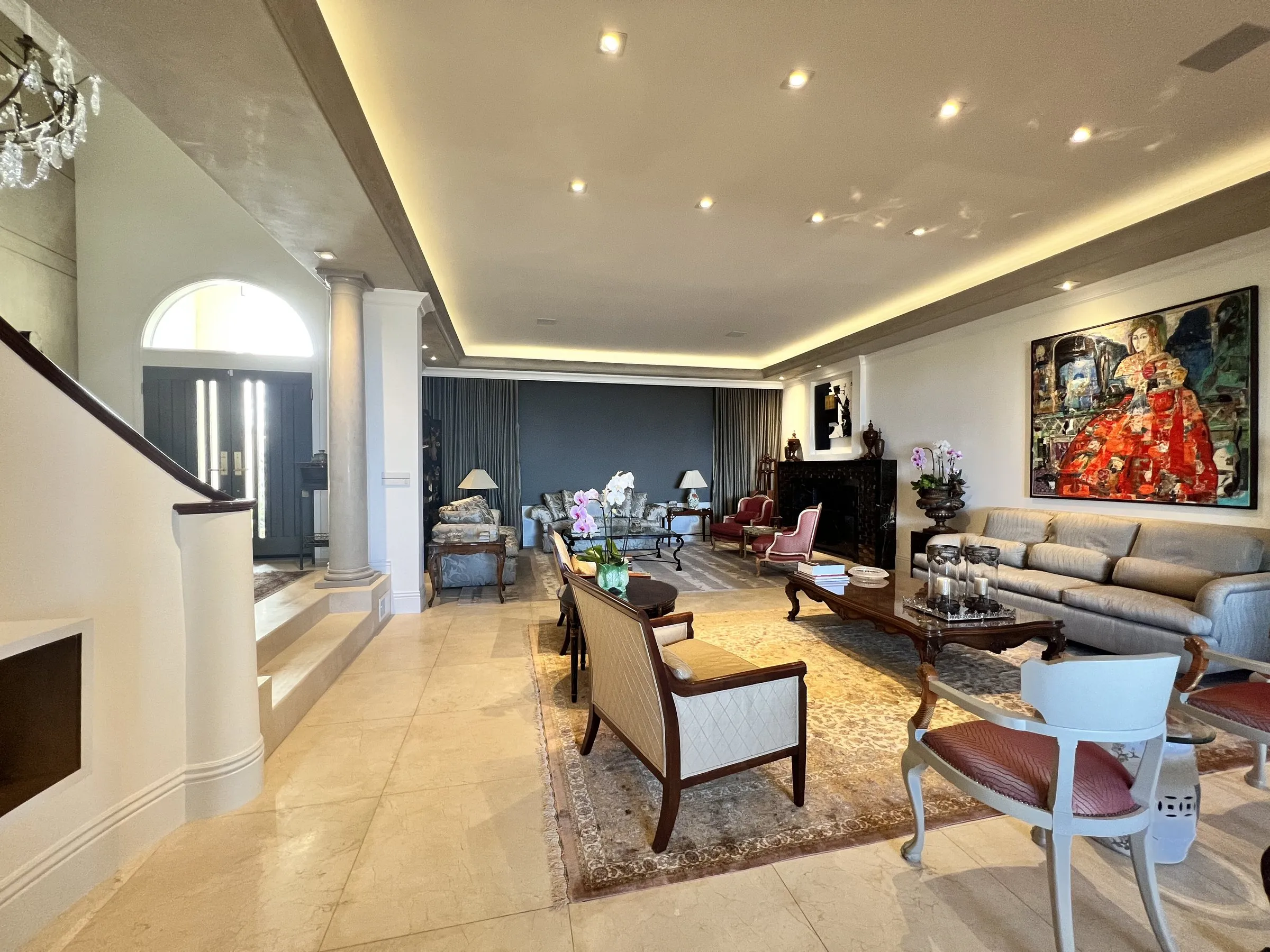 Warm, layered cove and accent lighting: the evening end of the curve.
Why your body cares
Your internal clock, the circadian rhythm, sets itself mostly by light. Specialized cells in the eye respond most strongly to blue-rich light and pass the signal to the part of the brain that times sleep, alertness and hormone release.
Two findings are well established in sleep research:
- Bright light in the morning helps anchor your clock. It’s a strong “day has started” signal.
- Bright light in the evening pushes your clock later. It suppresses melatonin, the hormone that makes you sleepy, and studies have found that even ordinary room lighting before bed can do it.
Most homes get both wrong. Mornings indoors are dim compared with daylight, and evenings are bright and cool because LEDs make it cheap to leave every can light on at full.
What it can and can’t do
Be wary of anyone selling circadian lighting as a medical treatment. It isn’t one.
What it reasonably does:
- Makes evenings feel calmer, because the house is warmer and dimmer after dark without anyone adjusting it.
- Cuts down the bright, cool light that works against falling asleep.
- Makes mornings and workdays feel more awake, especially in rooms without much daylight.
- Makes the house look better. Warm, low evening light is simply more pleasant to live in than a single fixed white.
What it won’t do on its own:
- Fix a sleep disorder. That’s a conversation with a doctor.
- Undo a phone held 12 inches from your face at midnight.
- Replace actual daylight. Even a brightly lit room is far dimmer than outdoors on an overcast day. Getting outside in the morning still matters.
Think of it as removing a problem modern lighting created, not as adding a health supplement.
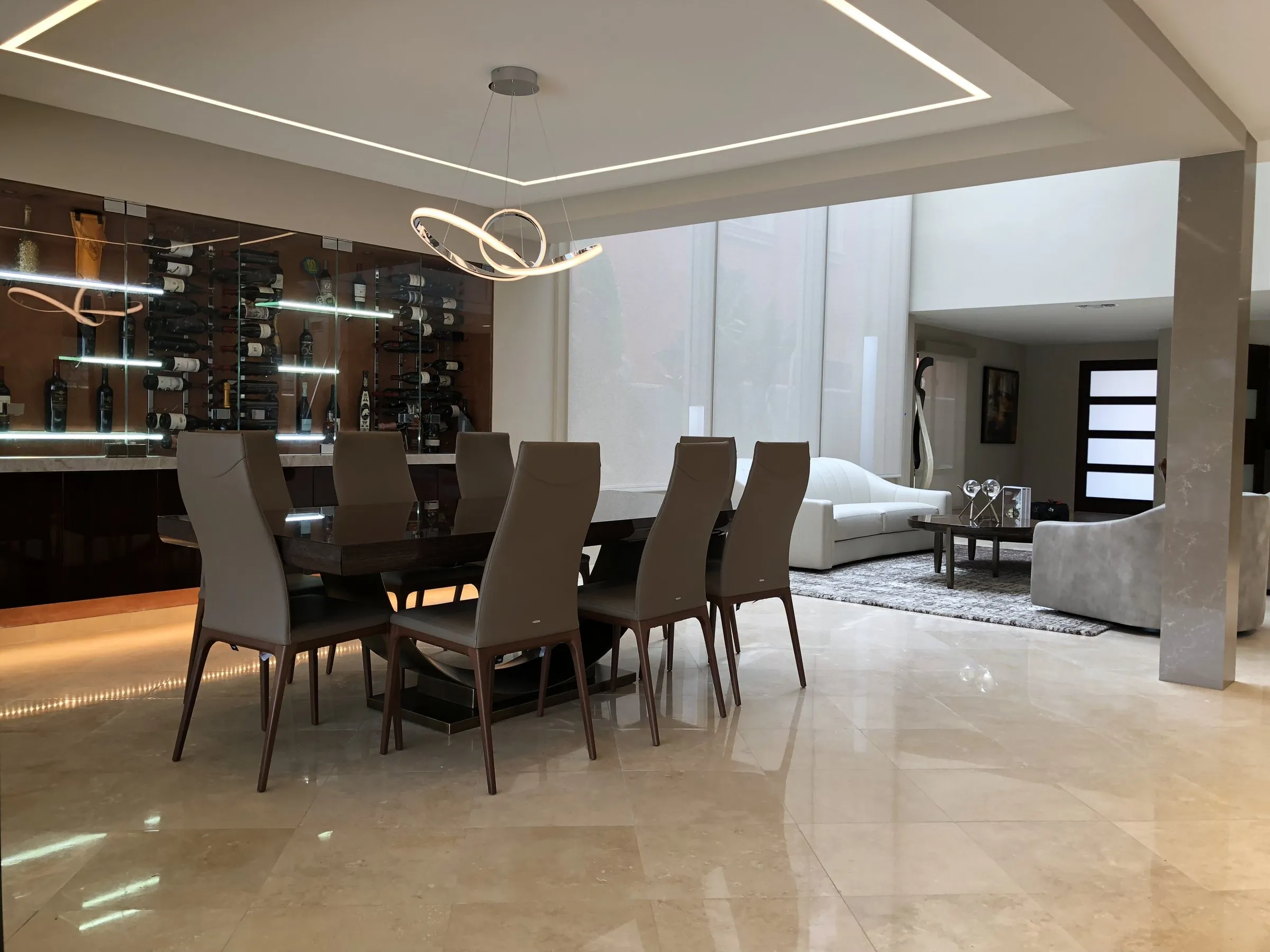 Low, indirect light from a ceiling cove does more for the evening than a warm bulb at full brightness.
Brightness matters more than color
This is the part most smart-bulb setups get wrong.
People focus on color temperature because it’s the part you can see change. But for your body’s clock, how much light reaches your eyes does more than its color. A warm 2700K bulb at full brightness late at night is still a lot of light. A cool white bulb dimmed to a glow is very little.
So a real circadian schedule doesn’t just warm up in the evening. It dims as well, gradually, so the house drifts down rather than changing all at once. The goal for late evening is low, warm and indirect: lamps and accent lighting rather than the overhead cans.
If a system only shifts color and leaves brightness alone, it’s missing half the point.
Smart bulbs vs. a designed system
Smart bulbs: a good way to try it
Most major smart-bulb brands, and Apple’s Home app, offer some version of adaptive or circadian lighting. Swap the bulbs in a bedroom and living room, turn the feature on, and you’ll get a reasonable taste of it.
The limits show up quickly:
- Most homes aren’t lit by bulbs. Recessed cans, under-cabinet strips and decorative fixtures make up most of the light in a modern house, and you can’t screw a smart bulb into most of them.
- Wall switches break it. Turn a smart bulb off at the switch and it drops off the network until someone turns it back on.
- Mixed brands don’t match. Two “2700K” fixtures from different makers often look visibly different side by side, which is obvious in a kitchen or hallway.
- It’s per bulb, not per house. Getting every room to follow one schedule takes ongoing fiddling.
A designed system: how it’s done properly
A whole-home circadian setup is a lighting system rather than a product:
- Tunable-white fixtures. These are fixtures with both warm and cool LEDs that blend anywhere across the range. A standard LED can only be one color, whatever controls it.
- A lighting control platform that drives every fixture on one schedule, keyed to the real sunrise and sunset.
- Keypads at the wall, so the lights always work, and so you can override the schedule for a dinner party and have it pick back up afterward.
- Design by room. A kitchen, a primary bedroom and a home office need different curves. The bedroom should be the warmest and dimmest earliest; an office can stay cooler longer.
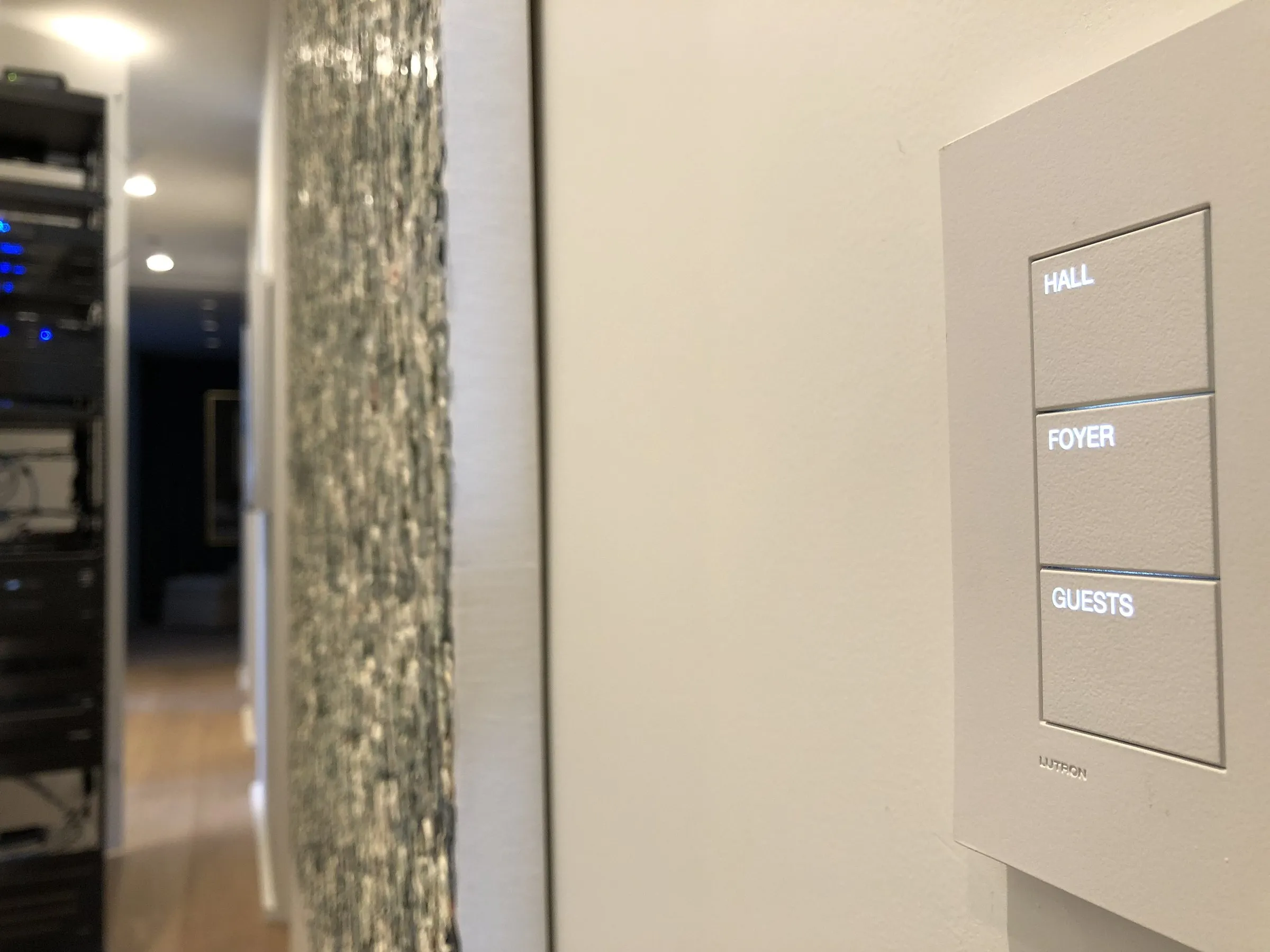 Engraved keypads at the wall keep every light working, with or without the schedule.
Getting it right: what to decide
Start with the rooms you use at night. The biggest difference is in the primary bedroom, the main living space and the kitchen. Hallways and baths matter too, because they’re what you walk through at 2 AM.
Plan a night path. A very low, very warm level for the bedroom, hall and bathroom after midnight means you’re never hit with full-brightness cool light on the way to the bathroom.
Check color quality, not just the Kelvin range. Cheap tunable fixtures can look greenish or flat at certain points on the curve. Look for a high color rendering index (CRI 90 or better) across the whole range, not only at one setting.
Decide early if you’re building or remodeling. Tunable-white fixtures and the wiring to control them are easy to specify before drywall and harder to add after. Choosing them at the design stage often costs little more than the fixtures you were going to buy anyway.
Don’t forget the shades. Motorized shades that open with the morning light and close at sunset work alongside the lighting, letting real daylight in when it helps and blocking the glare when it doesn’t.
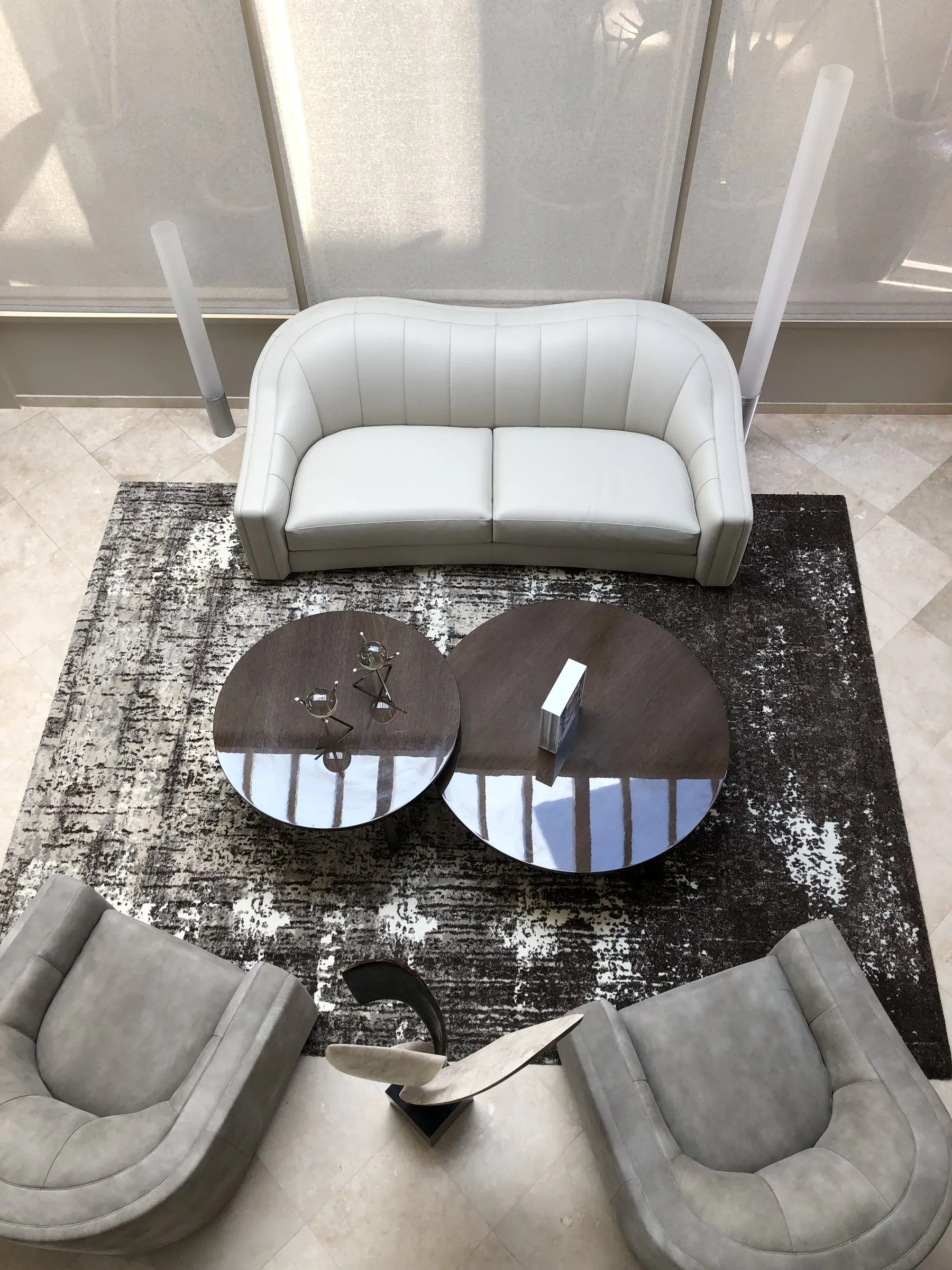 Sheer motorized shades let daylight in while cutting the glare.
The short version
Circadian lighting makes your home’s light follow the sun: brighter and cooler during the day, warmer and dimmer at night. The evidence is solid that evening light affects sleep timing, and that bright mornings help. Circadian lighting isn’t a cure for anything, but it removes a problem fixed-white LEDs created.
Smart bulbs are a fine way to try it in a room or two. For a whole house, it takes tunable-white fixtures, one control system and a schedule designed room by room, with brightness doing as much of the work as color.
Want it done for the whole house? We design circadian lighting room by room across Orange County: tunable-white fixtures, one control system keyed to your sunrise and sunset, and keypads that always work at the wall. See circadian rhythm lighting and lighting control, or request a free consultation.